
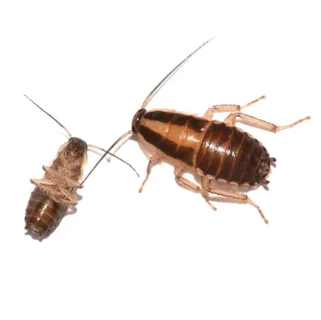
Chances are, those small brownish-tan roaches you have seen are German cockroaches. They are among the hardest household pests to deal with, particularly when trying to prevent an infestation.
They can fit through tiny gaps, stay hidden in confined spaces, and produce egg cases with dozens of nymphs. Unlike larger roaches such as American or smokybrown species, German cockroaches are more difficult to eliminate because they are fast, small, and hard to detect. Seeing a few large roaches may be unpleasant, but watching many small ones scatter can be much more alarming.
Before exploring where they come from and how to handle them, here are some practical tips to help prevent German cockroaches:
- Trash Control: Keep outdoor trash and recycling containers sealed tightly to limit access.
- Moisture Control: Fix leaks, stop drips, and remove standing water to cut down on moisture.
- Food Cleanliness: Wipe up crumbs, spills, and sticky residue to eliminate food sources.
- Drain Maintenance: Clear drains regularly to prevent food buildup and lingering odors.
- Paper Reduction: Dispose of excess cardboard and paper to reduce potential hiding areas.
- Package Inspection: Check deliveries, grocery bags, and boxes before bringing them indoors.
- Spray Caution: Avoid store-bought sprays that can spread roaches rather than remove them.
- Professional Help: Maintain a routine pest control service to support long-term prevention.
Why Early Action Against German Cockroaches Is Essential
German cockroaches multiply quickly, making them especially difficult to manage. A single female can produce 4 to 8 egg capsules in her lifetime, with each capsule containing 30 to 50 eggs. This means one fertilized female brought in on something like a grocery bag can lead to hundreds of roaches within a few months, spreading allergens, contaminating food, and potentially triggering asthma symptoms.
With reproduction happening so fast, even a small issue can grow out of control if it is not addressed early. Consistent preventive habits help interrupt their life cycle before it becomes a serious problem, and preventing German cockroaches is far easier than trying to eliminate an established infestation.
Useful Tips for German Cockroach Control and Prevention
German cockroaches adjust easily to their surroundings and can quickly become a serious concern. Ongoing prevention focuses on removing food and moisture sources while closing off entryways. These tips can help reduce the chances of an infestation and keep your home secure:
-
Fix Leaks and Reduce Moisture
Address dripping faucets, leaking pipes, and loose dishwasher connections as soon as possible. Empty the refrigerator drip pan regularly, dry sinks before bed, and hang damp towels so they can fully dry. If humidity is an issue, use a vent hood or dehumidifier to keep moisture levels lower.
-
Avoid Over-the-Counter Sprays
Aerosol sprays and foggers can cause roaches to scatter and push egg-carrying females deeper into hidden areas. If you try to manage the problem yourself, monitor the results closely. If activity increases, consider contacting a licensed professional for more effective treatment.
-
Seal Entry Points
Use caulk to seal gaps around plumbing, baseboards, and countertops to block entry points. Replace worn door sweeps and weather stripping, and make sure vents are properly covered. Even small openings can allow cockroaches inside, so inspect these areas regularly to ensure they stay sealed.
-
Clean Food Residues Immediately
Crumbs, grease, and sticky spills provide an easy food source for roaches. Wipe down surfaces, clean around and behind appliances, and sweep or vacuum floors each day. Mopping weekly helps remove buildup that paper towels may leave behind.
-
Flush Your Garbage Disposal and Drains
Keep your garbage disposal clean by running hot water, dish soap, and a few ice cubes through it. Once a month, pour ½ cup of baking soda followed by 1 cup of vinegar into the drain, let it sit for 10 minutes, then flush with boiling water. This helps break down grease and food residue that can attract cockroaches.
-
Inspect Everything You Bring Inside
Check grocery bags, boxes, and packaging carefully before bringing them indoors. Look along seams and folds for signs of pests. Inspect clothing, furniture, appliances, and secondhand items, and when possible, unpack them outside or in a garage and discard packaging right away.
-
Get Rid of Excess Cardboard, Paper, and Wood
These materials can provide shelter and food for German cockroaches. Break down boxes as soon as they arrive, recycle old paper products, and store items in plastic bins instead of cardboard. Keep firewood and similar materials stored well away from your home.
-
Hire a Professional Pest Control Service
If prevention becomes difficult to manage, consider reaching out to a professional cockroach exterminator. Experienced technicians have the tools and knowledge to handle infestations effectively and can identify hidden problem areas that might otherwise go unnoticed.
What Brings German Cockroaches Indoors?
Unlike most cockroaches that live outdoors and move indoors for food or shelter, German cockroaches are primarily indoor pests. They thrive inside homes and are not commonly found coming in from the yard. Instead, they are often transported indoors in different ways, such as:
- Apartments and Condos: Shared walls allow cockroaches to move between units through small openings around plumbing and electrical lines, which can make infestations more difficult to control.
- Grocery Bags and Takeout Boxes: Even one concealed egg capsule tucked beneath a flap can be enough to begin an infestation.
- Appliances and Electronics: The warmth produced by motors in appliances and electronic devices creates attractive hiding places for cockroaches.
- Used Furniture and Boxes: Secondhand items such as sofas, dressers, file cabinets, and cardboard moving boxes may already contain cockroaches or egg cases.
4 Common Signs of German Cockroaches in the Home
Because German cockroaches are skilled at hiding, infestations often develop quietly over time. Most people don’t realize there is a problem until they begin to notice small indicators instead of seeing many roaches at once. Below are 4 common signs your home may already have German cockroaches:
- Egg Cases: Oval-shaped egg cases may appear attached to cardboard, packaging, or other hidden surfaces around the home.
- Odor: A persistent musty or oily smell can be a sign that cockroaches are actively present in the area.
- Droppings: Small, pepper-like droppings are commonly found in cabinet corners, cracks, and other places where roaches hide.
- Live Roaches: Spotting even a single small roach often indicates an established infestation rather than just an isolated juvenile.
Keeping German Cockroaches Out of the Kitchen
When an infestation is underway, the kitchen is often where German cockroaches gather most. It offers easy access to food crumbs, water sources, and sheltered areas where they can hide and multiply.
Making the kitchen less hospitable is essential to pushing them out. Regular cleaning disrupts their ability to survive and reproduce. Focus on the following important areas:
- Trash & Recycling: Use a trash can with a tightly sealed lid and clean the bin on a regular basis to help prevent odors and residue buildup.
- Pet Feeding Area: Remove pet food bowls after feeding, then wash, rinse, and dry them before refilling to avoid attracting pests.
- Countertops & Backsplashes: Frequently degrease kitchen surfaces and pay close attention to areas behind faucets and stove knobs where grime can accumulate.
- Appliances: Each week, vacuum crumbs from under and behind the refrigerator, stove, and microwave, and empty the refrigerator drip pan every few months.
- Cabinets & Pantry: Keep dry foods in sealed containers, wipe shelving on a monthly basis, and rotate stored items to prevent unnoticed spills or contamination.
Eco-Friendly Tips for Preventing German Cockroaches
More homeowners are choosing eco-friendly pest prevention as a more sustainable approach. The good news is that the most effective way to stop cockroaches is also the most straightforward: remove their access to food, water, and shelter.
These basic steps can be strengthened with greener methods that avoid harsh chemicals. Instead of using sprays, the focus shifts to removing the conditions that attract cockroaches in the first place. Here are some eco-friendly prevention tips:
- Airtight Storage: Swap out open cereal boxes and flour bags for sealed containers or mason jars, since cockroaches cannot penetrate glass or airtight lids.
- Natural Surface Cleaner: Combine equal parts white vinegar and water with a small amount of lemon juice to cut grease and clean surfaces without leaving chemical residues behind.
- Drain Maintenance: Once a month, flush drains with baking soda followed by vinegar to help keep them clean, reduce odors, and make them less appealing to pests.
- Sticky Monitors: Place non-toxic glue boards under the refrigerator to help detect early signs of cockroach activity before an infestation spreads.
Professional German Cockroach Exterminator in McAlpin
Staying on top of the basics can help reduce the risk of infestations, but if you start seeing small droppings or live roaches, professional help may be needed. The key is to respond as soon as you notice any warning signs.
Our team at Live Oak Pest Control brings 52 years of experience handling German cockroach problems in McAlpin. We use a proven mix of targeted baits, detailed crack-and-crevice applications, and follow-up inspections to confirm complete elimination.
Call Live Oak Pest Control today to book a free inspection and reclaim your home from cockroach problems.


