
 Key Takeaways
- Bed bugs can hide in mattresses, furniture, cracks, crevices, and other concealed areas.
- Inspect beds, furniture, carpets, curtains, luggage, electrical outlets, and other potential hiding places.
- Blood stains, fecal spots, eggs, shed casings, and live bed bugs can indicate an infestation.
- Early detection can help address an infestation before bed bugs spread to other areas of the home.
- Professional inspection and treatment can help identify bed bug activity and address an infestation.
It is not always easy to know when bed bugs first enter your home. These pests are excellent at hiding in mattress seams, cracks, crevices, furniture, and other areas where they can remain unnoticed. If you live in North Central Florida, Live Oak Pest Control can help you recognize potential signs of bed bugs and take steps to address an infestation.
Bed bugs can continue multiplying while they remain hidden, giving an infestation time to develop before you recognize what is happening. Paying attention to early warning signs and taking action promptly can help reduce the chance of the problem spreading to other areas of your home.
How to Inspect Your Home for Bed Bugs
If you suspect you have a bed bug infestation, don’t wait to investigate. A thorough inspection of your home is important because bed bugs are skilled at hiding in tiny cracks, crevices, and other difficult-to-reach areas.
Look closely in the following areas when checking for bed bugs:
A flashlight can help you see into dark cracks, crevices, and other potential hiding places. Taking the time to inspect these areas carefully may help you detect bed bugs early and address an infestation before it grows.
Signs You May Have Bed Bugs
Early detection is important when dealing with bed bugs because these pests can multiply quickly. What starts with just a few bed bugs can develop into a much larger infestation, making the problem more difficult and potentially more expensive to address.
Once an infestation becomes established, bed bugs can spread to furniture, walls, electrical outlets, and other areas throughout the home. Make sure everyone in the household knows how to recognize bed bugs so they can remain alert to signs of an infestation.
Look for these common signs when checking for bed bugs:
1. Blood Stains
Bed bugs generally feed while their hosts are sleeping, which means evidence of their activity may show up on your bedding. Small reddish-brown blood spots can appear on sheets, pillows, mattresses, or pajamas when bed bugs are crushed during or after feeding.
Although blood stains can have other causes, unexplained spots around your bed may be an early sign of a bed bug infestation. Inspect your bedding carefully, particularly if you have noticed unexplained bites after sleeping.
2. Fecal Remains
Fecal remains are another common sign of bed bug activity. Bed bugs leave these small, dark marks wherever they spend time, including along mattress seams, around the edges of the bed, on bed frames, and inside nearby cracks and crevices.
These spots are usually brown or black and may become darker over time. Because they can resemble dirt or other stains, look for clusters of small spots in areas where bed bugs are likely to hide and consider other signs when determining whether an infestation is present.
Need a Pest Control Estimate?
3. Bed Bug Eggs and Egg Shells
Bed bug eggs can be difficult to see because of their small size and light color. Look for tiny pearly white eggs on clothing, inside luggage and travel bags, along sleeping bag seams, and in other protected areas.
Measuring about 1 millimeter in length, bed bug eggs are often tucked into cracks and crevices around bed frames, behind headboards, and inside furniture. Female bed bugs can lay several eggs each day, giving an infestation the opportunity to grow quickly.
When conditions are favorable, bed bug eggs may hatch within about 6 to 10 days. The eggs can also be attached to surfaces with a sticky substance, making them difficult to dislodge. Discovering multiple eggs is a strong indication that bed bugs are reproducing in the area.
4. Bed Bug Shells & Casings
During their development, bed bugs go through several stages and shed their exoskeletons as they grow. The resulting casings are small and pale, with a light brown or translucent appearance that can make them easier to overlook.
Look for these discarded shells in places where bed bugs are likely to hide, including mattress seams, behind furniture, and in cracks or crevices around the room. Multiple casings can indicate that bed bugs have been developing and reproducing in the area.
5. Living Bed Bugs
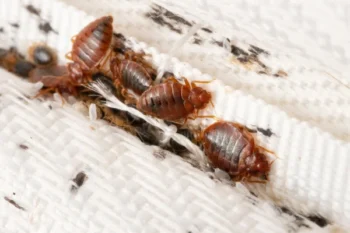
Young bed bugs are tiny, six-legged insects with pale, nearly transparent bodies. As they go through their life stages, they shed their outer coverings and gradually become larger and darker. Adult bed bugs are oval and commonly reddish-brown, while recently fed bugs may look redder and more elongated.
Bed bugs tend to hide in dark, protected spaces near people, including mattress seams, furniture, cracks, and crevices. They generally feed at night and are attracted to the carbon dioxide people exhale while sleeping, which helps them locate a nearby host.
If you find living bed bugs in your bed, furniture, or other nearby hiding places, this is strong evidence that bed bugs are actively present. Seeing multiple live bugs or finding them repeatedly can indicate a more established infestation.
If you discover signs of bed bugs, consider contacting a professional bed bug exterminator for a thorough inspection. Professional help can make it easier to identify and address an infestation before it becomes more widespread.
What to Do If You Find Signs of Bed Bugs in North Central Florida
When signs of bed bugs appear alongside unexplained bites, it is important to take the problem seriously and consider professional treatment. Bed bugs can hide in difficult-to-reach areas, and do-it-yourself methods may not eliminate every stage of an infestation.
Live Oak Pest Control provides professional bed bug treatment throughout North Central Florida. We use conventional treatment methods and heat treatments to address bed bugs in their hiding places and reduce the chance of them spreading to other areas. Our technicians look for evidence of bed bug activity throughout the home so we can determine how best to treat the infestation.
Contact Live Oak Pest Control today to learn more about professional bed bug treatment.
Bed Bug FAQs
Warning Signs of a Bed Bug Infestation | What to Do If You Suspect Bed Bugs


